When on cycling tour to Cape Point, AWOL Tour guides know how to get up close to locally endemic and once near extinct antelope found only in the Cape Floral region.  In pre-colonial days, the Cape Flats were filled with an abundance of wild animals. It is reported in Jan van Riebeek’s biography that the slopes of Table Mountain had a ‘plentiful’ of black rhinoceros. And how the early settlers had to be beware of the roaming pride of lions in the City Bowl. A lesser known animal, the bontebok, a previously common specie to the Cape found itself near extinct (there were only 17 individuals left near Arniston).
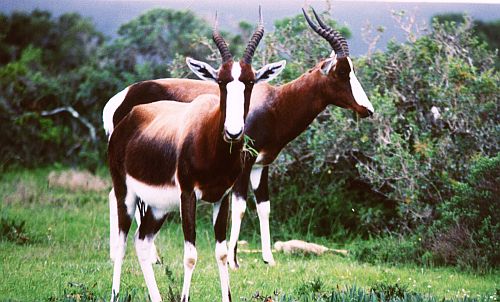
Through successful conservation efforts in the 1930s, the bontebok – or ‘patchwork buck’ – has ensured its survival. Unlike the more unfortunate and now extinct blue buck and quagga. The overall population of bontebok has risen to a solid 3500. Although still vulnerable, it has been removed from the threatened red data list. The bontebok is endemic to the relatively small fynbos region and is only found in protected areas throughout the Western Cape.
Recently guests on an AWOL cycling tour to Cape Point were able to have the unique experience to cycle along the bontebok at Cape Point. On most coach tours visiting Cape of Good Hope, being the most south-westerly point of Africa often miss the point of spending time and enjoying the unique biodiversity that is often overlooked.
Visitors opting to take a more leisurely private cycling tour to Cape Point with AWOL Tours have a greater chance of spotting the bontebok, but also eland, ostrich, baboons, red hartebeest and Cape Mountain Zebra.