
As part of AWOL Tours, we offer guided birdwatching tours that allow you to discover these avian wonders while staying active. Join us along one of our tours for an unbelievable experience in nature. Cape Town, with its majestic natural beauty and diverse ecosystems, is a paradise for nature enthusiasts. One of the most exciting aspects of the region’s wildlife is the seasonal arrival of migratory birds from October through January. Keep reading to discover some of the incredible migratory birds you can spot during your summer visit to Cape Town.
The Barn Swallow (Formerly The European Swallow)

Description: The Barn Swallow, formerly known as the European Swallow, is easily recognisable by its distinctive dark blue-black plumage, red throat, and long tail feathers. Known for its graceful, acrobatic flight, this bird is a true spectacle in the sky.
Habitat: These migratory birds choose Cape Town as their summer home, often nesting in the eaves of buildings and cliffs along the coast. They migrate from their breeding grounds in Europe, such as the UK and Scandinavia, to Cape Town for the warmer months.
Hiking Trails: While hiking along the Cape Peninsula, keep an eye on the skies. Barn Swallows are often seen darting and swooping gracefully, providing a delightful aerial display during our Cape Point tours.
Steppe Buzzard
Description: The Steppe Buzzard (Buteo buteo vulpinus) is a bird of prey that commands attention with its stately presence. With a wingspan that can reach over a meter, it soars gracefully on broad wings, displaying plumage that ranges from dark brown to black. Its plumage is accentuated by a striking pale throat and belly, adding an elegant contrast to its regal appearance.
Habitat: In the Western Cape, the Steppe Buzzard finds its temporary home among the diverse landscapes of the region. These raptors prefer open habitats such as grasslands, savannas, and wetlands. Their choice of stopover aligns with the Western Cape’s natural beauty, making it a fitting destination during their migration.
Hiking Trails: Our guided Table Mountain hiking tour offers a chance to witness Steppe Buzzards soaring against the backdrop of this iconic mountain. As they ride the thermals, you can observe their impressive wingspan and graceful gliding. As these birds make their journey, they often pass through the landscapes of Cederberg National Park. During our tours in this region, you may have the opportunity to observe their distinctive silhouettes as they navigate the thermals above.
The Yellow-Billed Kite

Description: The Yellow-Billed Kite is a medium-sized raptor with black-and-white plumage. As its name suggests, it boasts a distinctive bright yellow bill and legs.
Habitat: During their stay in Cape Town, Yellow-Billed Kites can be seen soaring gracefully above open fields and coastal areas. They migrate from their breeding grounds in Europe, such as France and Spain, to Cape Town for the summer.
Hiking Trails: Keep your eyes on the skies while hiking along the Cape Peninsula or through Cederberg National Park, as these kites are frequently spotted soaring overhead.
The Common Sandpiper

Description: The Common Sandpiper is a small wader with a mottled brownish-grey plumage and distinctive white underparts. It’s known for its habit of bobbing its tail up and down while foraging along the shoreline.
Habitat: You can find these charming birds near freshwater bodies, estuaries, and rocky coastlines, where they feed on small aquatic invertebrates. They migrate from their breeding grounds in Europe, such as Scandinavia and Russia, to Cape Town for the summer.
Hiking Trails: Along our Cape Point tour, especially near the coastal areas and tidal pools, you may spot the Common Sandpiper foraging for its next meal.
The European Bee-Eater

Description: European Bee-Eaters are colourful and social birds with striking plumage. They have green upperparts, yellow throats, and a blue crown. These aerial insectivores are known for their vibrant appearance and distinctive call.
Habitat: Look for European Bee-Eaters in open country, grasslands, and sometimes perched on wires or branches. They primarily feed on flying insects, such as bees, wasps, and dragonflies. They migrate from their breeding grounds in Europe, such as Spain and Italy, to Cape Town for the summer.
Hiking Trails: Keep an eye out for these vibrant birds during our hikes atop Table Mountain, where they may be seen perched on shrubs or flying gracefully in search of their insect prey.
Red-chested Cuckoo (Piet-my-Vrou)
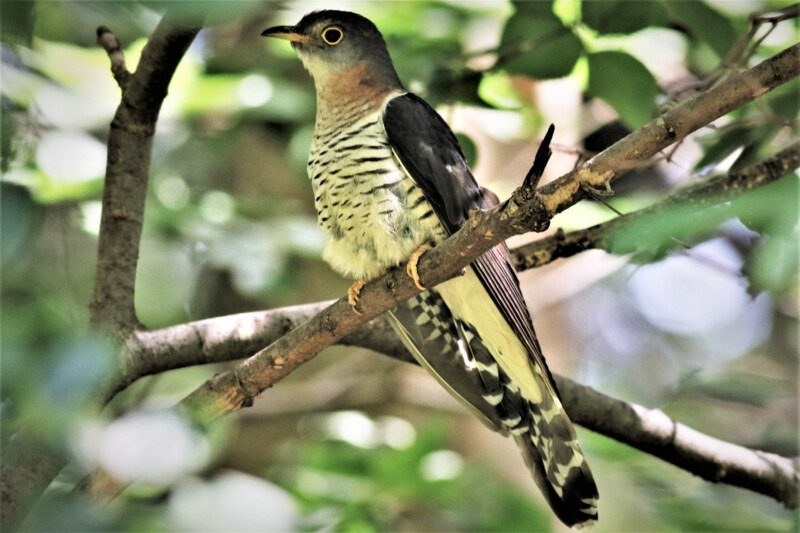
Description: The Red-chested Cuckoo, affectionately known as Piet-my-Vrou for its distinctive call that sounds like it’s saying “Piet-my-Vrou,” is a delightful summer visitor to Cape Town. This cuckoo is a medium-sized bird with striking plumage. It features a chestnut-red patch on its breast, which contrasts beautifully with its overall greenish plumage.
Habitat: During its stay in Cape Town, the Red-chested Cuckoo can be found in a variety of habitats, including woodlands, forests, and gardens. Its characteristic call is a quintessential sound of the South African summer.
Hiking Trails: While you’re on one of our guided hiking tours, especially in areas with lush vegetation, keep your ears tuned for the unmistakable call of the Piet-my-Vrou, as spotting this cuckoo is a special treat for birdwatching enthusiasts.
Osprey (Sea Hawk)
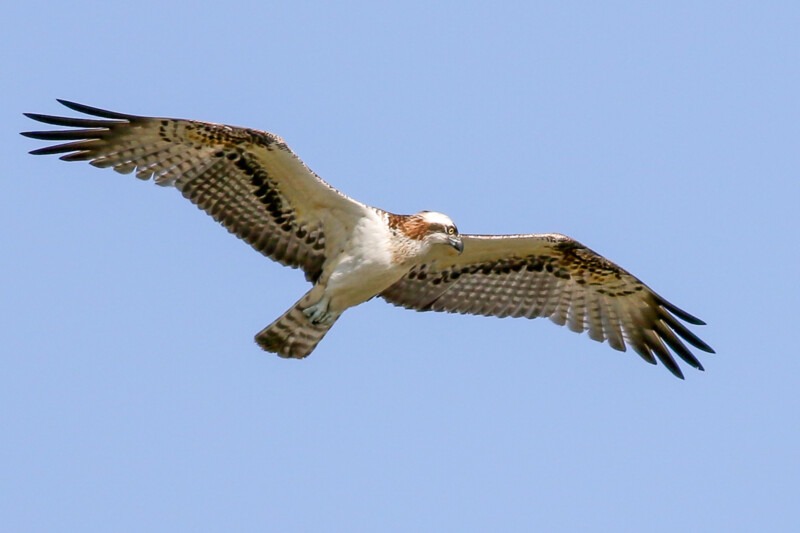
Description: The Osprey, often referred to as the sea hawk, is a remarkable bird of prey that migrates from Europe to Cape Town for the summer. It is a large raptor with distinctive markings. Ospreys have a predominantly white head and underparts, contrasted by dark brown upperparts. Their striking appearance and incredible fishing skills make them a fascinating sight in Cape Town.
Habitat: Ospreys are often seen near bodies of water, such as lakes, rivers, and coastal areas, where they hunt fish. Their ability to hover briefly before plunging feet-first into the water to catch fish is a spectacle to behold.
Hiking Trails: While hiking along the coast or near bodies of water, be on the lookout for the Osprey as it soars overhead or executes its impressive fishing dives.
Pearl-breasted Swallow

Description: The Pearl-breasted Swallow is a charming summer visitor to Cape Town, known for its beautiful iridescent plumage and striking markings. This swallow has distinctive pearl-like spots on its chest, which give it its name. Its upperparts are metallic blue, and it boasts a deeply forked tail.
Habitat: Pearl-breasted Swallows are often found in a range of habitats, including grasslands, savannas, and open country. They are skilled aerial hunters, feeding on flying insects with agile flight.
Hiking Trails: While hiking in open country or grasslands, keep an eye out for the graceful Pearl-breasted Swallow as it swoops and soars, catching insects on the wing.
Cape Town’s natural beauty extends beyond its stunning landscapes to include a rich diversity of migratory birds. From the vibrant European Bee-Eaters of Table Mountain to the acrobatic Barn Swallows along the Cape Peninsula and water lovers along the West Coast, the raptors and waders in Cederberg National Park, there’s no shortage of avian wonders to discover during your visit from October to January. To book on a Birding Tour click here